Category Archives: Manuals

minolta srt 101 manual

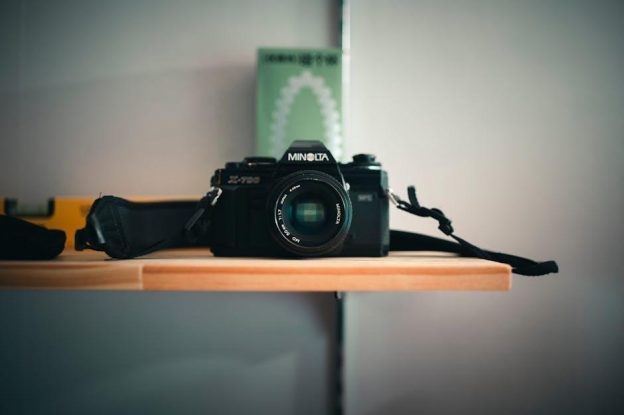
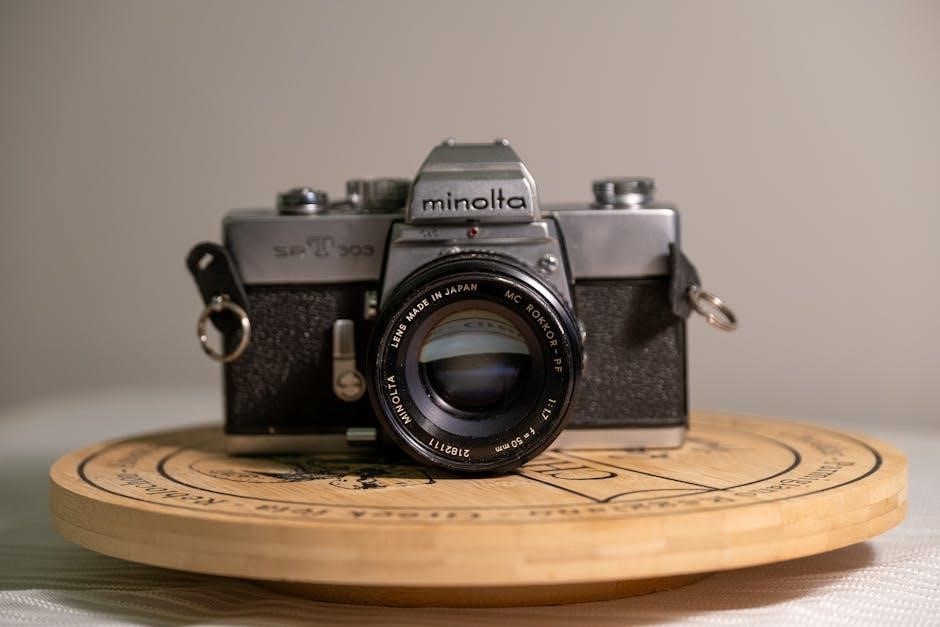
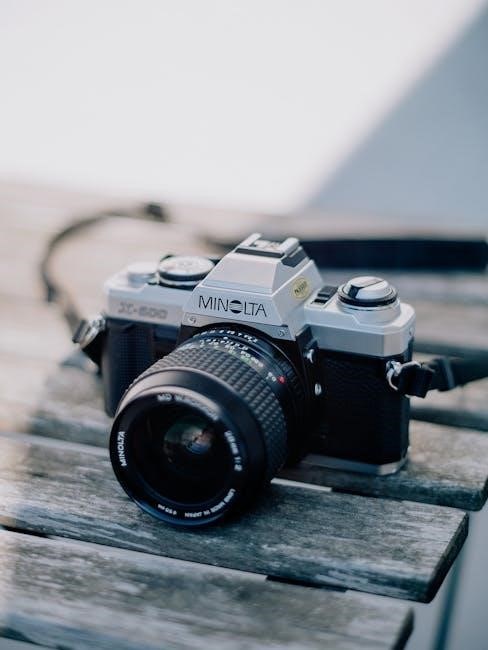
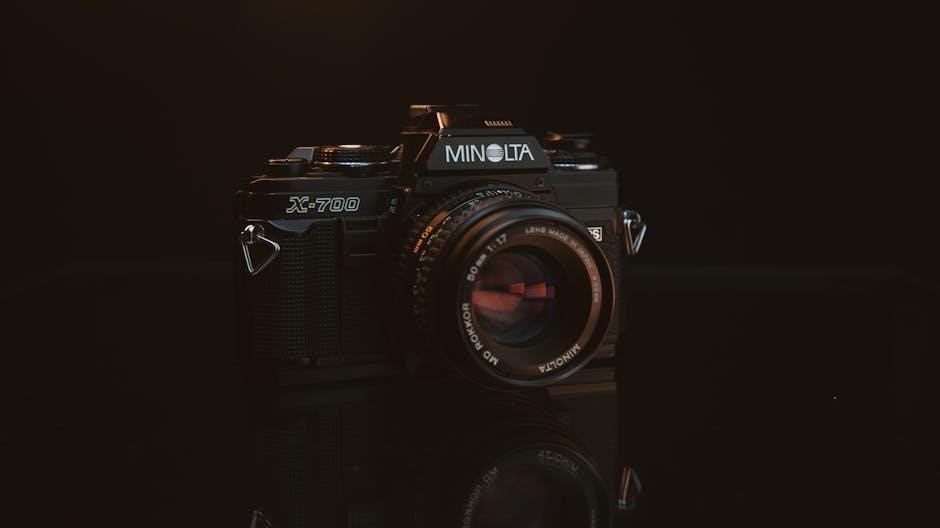
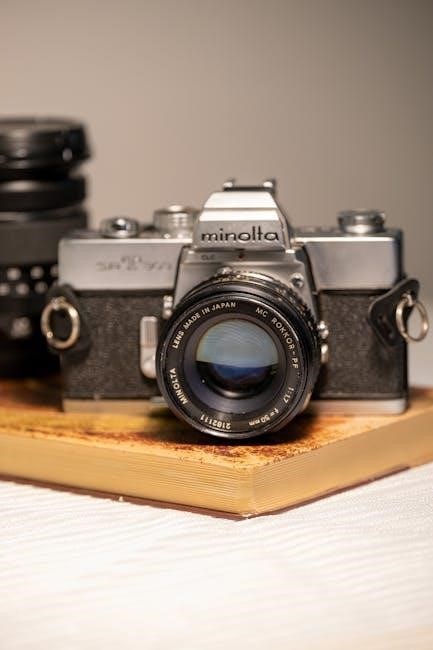
Welcome to the comprehensive guide for the Minolta SRT 101‚ a legendary 35mm SLR camera․ This manual provides in-depth insights into its features‚ operation‚ and maintenance‚ ensuring optimal use․ With 44 pages of detailed instructions‚ it covers everything from basic setup to advanced techniques‚ making it an essential resource for photographers of all levels․ Discover how to unlock the full potential of your Minolta SRT 101 and capture stunning images with precision and ease․

1․1 Overview of the Minolta SRT 101 Camera

The Minolta SRT 101 is a 35mm single-lens reflex (SLR) camera renowned for its advanced features and user-friendly design․ Introduced with a through-the-lens metering system and the innovative Contrast Light Compensator (CLC) technology‚ it offers precise exposure control․ The camera supports a wide range of interchangeable lenses‚ making it versatile for various photography genres․ Its durable construction and intuitive controls cater to both enthusiasts and professionals‚ ensuring high-quality results in diverse shooting conditions․ The SRT 101 remains a celebrated choice for photographers seeking reliability and creative flexibility․

1․2 Importance of the Manual for Optimal Camera Usage

The manual is essential for unlocking the full potential of the Minolta SRT 101․ It provides detailed instructions on camera setup‚ exposure control‚ and troubleshooting‚ ensuring photographers master its advanced features․ With clear guidelines on maintenance and repair‚ the manual helps extend the camera’s lifespan․ Whether for enthusiasts or professionals‚ it serves as a comprehensive guide to achieving precise and creative results‚ making it indispensable for anyone aiming to fully utilize the SRT 101’s capabilities․

Key Features of the Minolta SRT 101

The Minolta SRT 101 boasts a through-the-lens metering system‚ Contrast Light Compensator (CLC) technology‚ and interchangeable lenses‚ offering precision and versatility for professional and enthusiast photographers alike․

2․1 Through-the-Lens Metering System

The Minolta SRT 101 features an advanced through-the-lens (TTL) metering system‚ enabling accurate light measurement directly from the scene․ This system allows for precise exposure control by measuring light as it passes through the lens‚ ensuring that the camera captures the exact brightness and contrast of the subject․ The TTL metering capability enhances the overall photography experience‚ providing reliable results in various lighting conditions․ This feature is particularly beneficial for professional photographers who require consistent and accurate exposures․

2․2 Contrast Light Compensator (CLC) Technology

The Minolta SRT 101 incorporates the innovative Contrast Light Compensator (CLC) technology‚ which enhances exposure accuracy by analyzing the entire scene’s contrast․ This exclusive system ensures balanced lighting in both bright and dark areas‚ providing more precise metering․ The CLC meter compensates for high-contrast scenarios‚ delivering consistent results․ This advanced feature is particularly advantageous for professional photographers‚ as it streamlines the process of achieving optimal exposures in challenging lighting conditions‚ making the SRT 101 a reliable tool for capturing high-quality images․

2․3 Interchangeable Lenses and Accessories

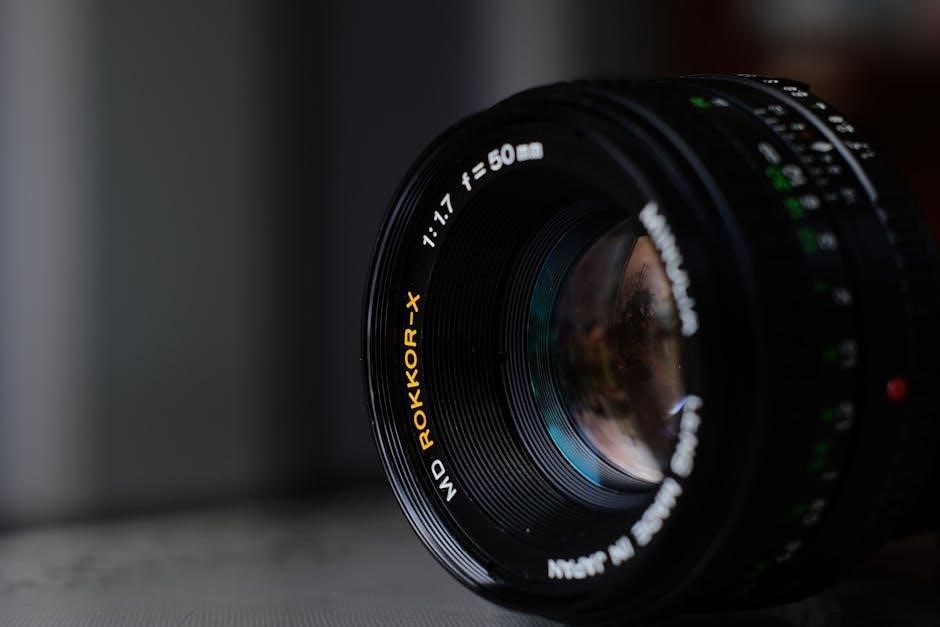
The Minolta SRT 101 supports a wide range of interchangeable MC Rokkor lenses‚ offering flexibility for diverse photography needs; From wide-angle to telephoto lenses‚ these optics provide exceptional optical quality and versatility․ Additional accessories‚ such as filters‚ lens hoods‚ and extension tubes‚ enhance functionality․ The camera’s compatibility with various Minolta accessories ensures adaptability for different shooting scenarios‚ making it a versatile tool for photographers seeking precision and creativity in their work․ This interchangeable system expands the camera’s capabilities‚ catering to both amateur and professional photographers․

Operating the Minolta SRT 101

This section provides a detailed overview of operating the Minolta SRT 101‚ focusing on its intuitive controls and features․ Learn how to seamlessly integrate metering‚ aperture‚ and shutter adjustments for precise photography․

3․1 Setting Up the Camera for First Use

Setting up your Minolta SRT 101 for the first time involves a few straightforward steps to ensure optimal functionality․ Begin by carefully unboxing and inspecting the camera for any damage or defects․ Familiarize yourself with the camera’s components‚ including the lens‚ viewfinder‚ and controls․ Next‚ install a fresh battery or ensure the existing one is fully charged․ Attach a compatible lens‚ such as the MC Rokkor-PF 1:1․4 58mm‚ and set the aperture and shutter speed to their initial positions․ Finally‚ load your film of choice and advance it to the first frame․ The camera is now ready for use‚ with its through-the-lens metering system and CLC technology ensuring precise exposures․ Proper setup is key to unlocking the SRT 101’s full potential․

3․2 Exposure Control and Metering Modes

The Minolta SRT 101 features a sophisticated through-the-lens (TTL) metering system with Contrast Light Compensator (CLC) technology‚ ensuring precise exposure measurements․ The camera offers manual and aperture-priority modes‚ allowing photographers to control settings based on creative preferences․ In manual mode‚ users can adjust both aperture and shutter speed for full control․ The CLC system automatically compensates for contrast‚ providing accurate exposures in challenging lighting conditions․ This versatility makes the SRT 101 ideal for both beginners and professionals‚ enabling consistent results across various photography genres and lighting scenarios․

3․4 Using the Viewfinder for Composition and Focus

The Minolta SRT 101’s viewfinder is designed for precise composition and focusing․ It features a bright‚ clear view with a split-image microprism for accurate focus․ The viewfinder displays aperture‚ shutter speed‚ and metered exposure‚ allowing for quick adjustments․ Framing your shot is intuitive‚ with clear guides for composition․ The viewfinder’s design ensures you can focus sharply and maintain control over your image without looking away‚ making it ideal for both professional and amateur photographers seeking precise results․

Maintenance and Repair of the Minolta SRT 101

Regular maintenance and timely repairs are crucial for extending the life of your Minolta SRT 101․ Proper cleaning‚ lubrication‚ and professional servicing ensure optimal functionality and performance․

4․1 Cleaning and Servicing the Camera

Regular cleaning and servicing are essential to maintain the Minolta SRT 101’s performance․ Use a soft cloth and brush to gently remove dust and debris from the exterior and viewfinder․ Avoid harsh chemicals‚ as they may damage the camera’s finish․ For internal components‚ such as the mirror and shutter‚ professional servicing is recommended to ensure proper calibration and functionality․ Refer to the service manual for detailed disassembly and maintenance procedures․ Regular upkeep ensures longevity and optimal image quality․

4․2 Troubleshooting Common Issues

The Minolta SRT 101 may experience issues like meter inaccuracies or mechanical malfunctions․ Consult the service manual for diagnostic steps‚ such as checking battery connections or cleaning the meter sensors․ For persistent problems‚ refer to online repair guides or forums for solutions․ If internal components like the shutter or mirror are faulty‚ professional servicing is recommended․ Regular maintenance and proper handling can prevent many common issues‚ ensuring the camera operates smoothly for years․

4․3 DIY Repair Tips and Recommendations

For minor issues‚ DIY repairs can save time and cost․ Start by consulting the service manual for disassembly guides․ Clean the viewfinder and lens contacts with soft brushes and alcohol․ Adjust the CLC meter carefully using screwdrivers․ Replace faulty light seals or mirrors with genuine parts․ Lubricate mechanical components sparingly․ For complex fixes‚ like shutter repairs‚ use online forums or professional guides․ Always handle internal parts with care to avoid further damage․ DIY repairs can extend your camera’s lifespan but require precision and patience․

Accessories and Lenses for the Minolta SRT 101

The Minolta SRT 101 supports a wide range of MC and MD-mount lenses‚ from wide-angle to telephoto․ Additional accessories include filters‚ tripods‚ and remote shutters‚ enhancing versatility․

5․1 Compatible Lenses and Their Specifications

The Minolta SRT 101 is compatible with a wide range of MC and MD-mount lenses‚ offering versatility for photographers․ Popular options include the Rokkor-PG 50mm f/1․4 and Rokkor 28mm f/3․5‚ both renowned for their optical clarity․ These lenses feature multi-coating to reduce glare and enhance color accuracy․ The MD 70-210mm f/3․5 zoom lens is another favorite‚ offering flexibility for various subjects․ Each lens is designed to maximize the SRT 101’s capabilities‚ ensuring sharp‚ high-quality images across diverse photography genres․

5․2 Additional Accessories for Enhanced Functionality

Enhance your Minolta SRT 101 experience with essential accessories․ The Auto Electroflash 320X provides professional-grade lighting for studio and outdoor use․ A remote shutter release minimizes camera shake for sharp images․ A dedicated camera case protects your equipment during travel; Optional close-up lenses and extension tubes enable macro photography; Motor drives and data backs add functionality for advanced shooting․ These accessories expand the camera’s versatility‚ catering to diverse photography needs and ensuring optimal performance in various creative scenarios․

Film Handling and Development

Proper film handling is crucial for the Minolta SRT 101․ Load film in low-light conditions‚ advance smoothly‚ and develop with precision for optimal results and high-quality photographs ensuring longevity․

6․1 Loading and Advancing Film

Loading film into the Minolta SRT 101 is straightforward․ Open the back cover‚ align the film leader with the take-up spool‚ and advance gently to the first frame․ Ensure the film is securely seated and the back cover is closed properly․ Advance the film using the rapid-advance lever‚ feeling for resistance to confirm it’s loaded correctly․ Always handle film in low-light conditions to prevent exposure․ Check the frame counter to ensure accurate tracking․ Proper loading ensures sharp‚ well-exposed images every time․

6․2 Best Practices for Film Development

Develop your Minolta SRT 101 film with care to ensure high-quality results․ Use a darkroom or changing bag to load film onto the reel to prevent exposure․ Align the film carefully on the spool‚ securing it with a clip․ Mix chemicals precisely‚ following the manufacturer’s instructions․ Agitate the tank gently and maintain consistent timing․ Rinse thoroughly and dry in a dust-free environment․ Always handle film in low-light conditions to avoid overexposure․ Proper development techniques will yield sharp‚ well-developed negatives for exceptional prints․

Advanced Photography Techniques with the Minolta SRT 101

Master advanced techniques like manual exposure control and CLC metering for precise results․ Experiment with interchangeable lenses and creative compositions to elevate your photography skills and capture stunning images effortlessly․

7․1 Mastering Manual Exposure Settings

Manual exposure settings on the Minolta SRT 101 offer precise control over aperture and shutter speed‚ allowing photographers to achieve desired creative effects․ The camera’s through-the-lens metering system provides accurate light readings‚ enabling optimal adjustments․ By understanding the relationship between ISO‚ aperture‚ and shutter speed‚ users can master manual mode for consistent results․ Experiment with bracketing techniques and utilize the CLC meter for accurate exposures‚ ensuring your photos reflect your artistic vision with clarity and precision․

7․2 Utilizing the CLC Meter for Accurate Exposures

The Minolta SRT 101’s Contrast Light Compensator (CLC) meter ensures precise exposure control by analyzing the entire picture area․ This innovative system automatically adjusts for high contrast scenes‚ preserving detail in both bright and dark regions․ By leveraging the CLC meter‚ photographers can achieve balanced exposures without manual compensation‚ even in challenging lighting conditions․ Its seamless integration with the camera’s controls makes it an invaluable tool for capturing professional-grade images with ease and accuracy․

Resources for Further Learning

Explore official PDF manuals‚ service guides‚ and repair tips for the Minolta SRT 101․ Visit websites like cameramanuals․org for detailed downloads and online forums for troubleshooting and DIY advice․

8․1 Recommended PDF Manuals and Guides

The Minolta SRT 101 owner’s manual is available as a 44-page PDF‚ offering detailed instructions for optimal camera usage․ Download it from reliable sources like cameramanuals․org for comprehensive guidance on exposure control‚ lens compatibility‚ and maintenance․ This resource is ideal for both newcomers and experienced photographers‚ ensuring you master the camera’s features and techniques․ The manual is in English‚ making it accessible for global users‚ and its clear structure ensures smooth navigation and understanding․

8․2 Online Communities and Forums for Support

Join online forums and communities to connect with enthusiasts and experts for the Minolta SRT 101․ Platforms like Reddit’s r/analogphotography and Facebook groups dedicated to film photography offer valuable discussions and troubleshooting tips․ Websites like Photo․net and DPReview host forums where users share experiences and advice․ Additionally‚ specialized vintage camera forums provide insights into maintenance and accessory recommendations․ These communities are excellent resources for mastering the Minolta SRT 101 and resolving any issues you may encounter․

The Minolta SRT 101 is a timeless camera offering durability‚ reliability‚ and creative control․ Its advanced features and interchangeable lenses make it a favorite for photographers seeking precision and artistry;

9․1 Summary of Key Points

The Minolta SRT 101 manual is a comprehensive guide to mastering this iconic 35mm SLR camera․ It details the camera’s advanced features‚ including the through-the-lens metering system and CLC technology‚ while providing practical advice on maintenance and repair․ The manual also explores interchangeable lenses and accessories‚ enabling photographers to customize their setup for various genres․ Whether for professional or enthusiast use‚ this manual ensures optimal performance‚ helping users unlock the full potential of the Minolta SRT 101 and achieve exceptional photography results․

9․2 Final Tips for Getting the Most Out of the Minolta SRT 101

To maximize your experience with the Minolta SRT 101‚ regularly clean and maintain the camera to ensure optimal performance․ Experiment with different lenses and accessories to explore various photography styles․ Practice using manual settings and the CLC meter for precise exposures․ Keep the manual handy for quick reference‚ and stay updated with online resources for troubleshooting and inspiration․ By mastering these tips‚ you can fully utilize the camera’s capabilities and achieve outstanding results in your photography journey․

bunn vpr manual

Welcome to the Bunn VPR manual, your comprehensive guide to understanding and operating the Bunn VPR coffee maker. This manual provides detailed instructions for installation, troubleshooting, and maintenance to ensure optimal performance. Designed for both new and experienced users, it covers key features, technical specifications, and step-by-step brewing processes. Access additional resources, including downloadable manuals and replacement parts, to keep your coffee maker functioning at its best. Visit the Bunn-O-Matic website for the latest updates and support.

Overview of the Bunn VPR Series

The Bunn VPR Series is a line of high-performance coffee makers designed for both home and commercial use. Known for their durability and efficiency, these machines are built to deliver consistent, high-quality coffee. The series includes models like the VPR TC and VPR APS, each offering unique features such as thermal carafes and advanced brewing controls. With a 12-cup capacity and a large 14.4-liter water tank, the Bunn VPR Series is ideal for heavy-duty use, making it a popular choice for offices, cafes, and households. These coffee makers are praised for their quick brewing cycles and ease of maintenance, ensuring a seamless coffee-making experience.

Importance of the Manual for Users

The Bunn VPR manual is an essential resource for users to maximize the performance and longevity of their coffee maker. It provides clear instructions for installation, operation, and troubleshooting, ensuring users can address common issues independently. The manual also outlines maintenance routines to prevent lime buildup and keep the machine functioning efficiently. By following the guidelines, users can avoid costly repairs and extend the lifespan of their coffee maker. Additionally, the manual serves as a reference for understanding warranty terms, repair options, and accessing replacement parts. Whether you’re a new or experienced user, the manual is a vital tool for optimizing your coffee-making experience and resolving any challenges that arise.

Product Specifications and Features

The Bunn VPR coffee maker offers a 12-cup capacity, a 14.4-liter water tank, and operates on 120 V AC. It’s designed for quick and efficient brewing, ideal for high-demand settings.

Key Features of the Bunn VPR Coffee Maker

The Bunn VPR coffee maker is renowned for its 12-cup brewing capacity and 14.4-liter water tank, allowing for multiple cycles without frequent refills. It operates on 120 V AC, ensuring efficient and rapid brewing. The device features a pour-over design with a thermal warmer to keep coffee at optimal temperature. Its sturdy construction and user-friendly interface make it ideal for both commercial and home use. Additional features include a removable funnel and dishwasher-safe parts for easy maintenance. The VPR series also supports interchangeable decanters, offering flexibility in coffee serving options. This coffee maker is designed to deliver consistent flavor and durability, making it a reliable choice for coffee enthusiasts.

Technical Specifications

The Bunn VPR coffee maker is designed with a 12-cup brewing capacity and a 14.4-liter water tank for extended use. It operates on 120 V AC power and features a pour-over design with a thermal warmer to maintain coffee temperature. The unit measures 26.6 inches in height, 8.7 inches in width, and 15.9 inches in depth, making it a compact yet efficient addition to any kitchen. The VPR series is NSF and UL certified, ensuring safety and durability. It supports interchangeable glass decanters and is compatible with Bunn paper filters for optimal brewing. The coffee maker weighs approximately 20 pounds, making it easy to move and install. These specifications ensure reliable performance and consistent coffee quality for both home and commercial settings.

Installation and Operating Instructions

Place the Bunn VPR on a flat, stable surface and ensure proper electrical connection. Follow the step-by-step guide for water tank setup and filter installation. Refer to the manual for detailed brewing instructions and maintenance tips to optimize performance and longevity.

Step-by-Step Installation Guide

Begin by carefully unpacking the Bunn VPR coffee maker and ensuring all components are included. Place the machine on a stable, flat surface, ensuring good ventilation. Connect the power cord to a 120V AC outlet. Next, install the water tank by aligning it with the base and securing it firmly. Insert a Bunn paper filter into the funnel, leveling the coffee grounds by gently shaking. Pour fresh water into the tank, ensuring it reaches the recommended level. Finally, plug in the machine and allow it to preheat before brewing. Refer to the manual for specific details and safety precautions to ensure proper setup and operation.

Brewing Coffee: A Detailed Process

To brew coffee with the Bunn VPR, start by inserting a Bunn paper filter into the funnel. Add fresh coffee grounds, leveling them by gently shaking. Pour water into the tank, ensuring the water level matches the number of cups you wish to brew. Close the tank lid and select your desired brew options. The machine will begin the brewing cycle automatically. Once complete, the coffee will be dispensed into the decanter. For optimal flavor, use the recommended amount of coffee grounds and ensure the machine is preheated. Allow the coffee to warm on the built-in warmer for a fresh, hot cup. Always follow the manual’s guidelines for best results.

Troubleshooting and Maintenance

Troubleshooting common issues like power failure or water leaks is essential. Regular maintenance, such as cleaning and descaling, ensures optimal performance and longevity of your Bunn VPR.

Common Issues and Solutions

Common issues with the Bunn VPR include water leaks, power failures, and slow brewing. For water leaks, inspect and tighten connections. If the machine doesn’t turn on, check the power cord and outlet. Slow brewing may result from scale buildup; descaling is recommended. Refer to the troubleshooting section for detailed solutions. Regular maintenance and proper cleaning can prevent many of these issues. If problems persist, contact Bunn’s technical support for assistance. Always ensure to use genuine Bunn parts for repairs to maintain performance and warranty.

Regular Maintenance Tips

Regular maintenance is essential to ensure the optimal performance of your Bunn VPR coffee maker. Clean the brew funnel and spray head daily to prevent clogs and mineral buildup. Descale the machine every 3-6 months, depending on water hardness, to remove lime deposits. Replace the water filters as recommended to maintain water quality and taste; Check and tighten all connections periodically to prevent leaks. For thorough cleaning, use Bunn-approved cleaning solutions and follow the manual’s instructions. Regularly inspect and replace worn-out seals or gaskets to avoid issues. By following these tips, you can extend the lifespan of your Bunn VPR and enjoy consistent, great-tasting coffee.

Accessing Additional Resources

For more information and support, visit the official Bunn-O-Matic website. You can download the latest manuals, find replacement parts, and explore troubleshooting guides. Free access ensures you stay updated and informed, helping you maintain your Bunn VPR coffee maker effectively.

Downloading the Latest Manuals

To ensure you have the most up-to-date information for your Bunn VPR coffee maker, visit the official Bunn-O-Matic website. Here, you can download free PDF versions of the latest manuals, including the operating manual, service manual, and illustrated parts catalog. These resources provide detailed instructions for installation, operation, and maintenance, as well as troubleshooting tips. By downloading the latest manuals, you can access the most current guidelines and specifications for your machine. This service is free and convenient, ensuring you always have the information you need to keep your Bunn VPR functioning optimally. Regularly checking for updates helps you stay informed about any new features or improvements.

Finding Replacement Parts

To maintain your Bunn VPR coffee maker, genuine replacement parts are essential for optimal performance. Visit the Bunn-O-Matic website or authorized distributors like Parts Town, which offers the largest inventory of Bunn VPR parts. Here, you can find everything from water tanks to brew funnels, ensuring compatibility and quality. OEM (Original Equipment Manufacturer) parts guarantee authenticity and reliability. For convenience, Parts Town provides same-day shipping until 9 PM ET, making it easy to keep your coffee maker operational. Always verify the part number with your machine’s specifications to ensure a perfect fit. Regularly updating your parts prevents downtime and extends the lifespan of your Bunn VPR. Use these resources to find the exact components you need quickly and efficiently.

mitel 5320e ip phone user manual

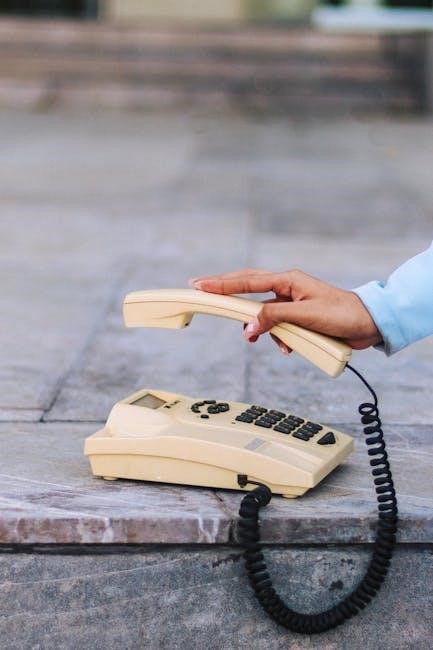
The Mitel 5320e IP Phone is a full-feature‚ dual-port device designed for voice communication over an IP network‚ offering a 160×320 pixel LCD display‚ programmable buttons‚ and advanced call management capabilities.

Overview of the Mitel 5320e IP Phone

The Mitel 5320e IP Phone is a SIP-based‚ dual-port device designed for seamless voice communication over IP networks. It features a 160×320 pixel LCD display‚ self-labeling programmable buttons‚ and a Ring/Message Indicator for enhanced usability. Compatible with platforms like MiVoice 250 and Mitel Communications Director‚ this phone supports on-hook dialing and advanced call management. Its sleek design and intuitive interface make it an essential tool for efficient communication in various work environments.

Key Features of the Mitel 5320e

The Mitel 5320e IP Phone offers a range of advanced features‚ including programmable buttons for customization‚ on-hook dialing‚ and a Ring/Message Indicator. It supports call holding‚ transferring‚ and conferencing‚ along with speed dial programming. The phone’s intuitive 160×320 pixel LCD display and self-labeling buttons enhance user experience. Additionally‚ it provides compatibility with platforms like MiVoice 250 and Mitel Communications Director‚ ensuring seamless integration and efficient communication management in various work environments.

Installation and Setup

Installing the Mitel 5320e involves connecting it to your network and power supply. Use the LCD to configure basic settings for optimal functionality.

Physical Installation of the Mitel 5320e

Physically installing the Mitel 5320e involves connecting it to a power source and network. Ensure the phone is placed on a stable surface and connected to an Ethernet port. Use the provided power adapter if not using PoE. The LCD display will guide you through the initial setup. Programmable buttons can be customized later. Follow safety precautions to avoid damage to the device or injury. Ensure proper ventilation and avoid exposing the phone to extreme temperatures or moisture.

Configuring Network Settings

Configure the Mitel 5320e by accessing the network settings menu. Use the phone’s LCD display to navigate to network configuration. Ensure DHCP is enabled for automatic IP assignment or enter a static IP address‚ subnet mask‚ and gateway manually. Configure VLAN tagging if required by your network. Set QoS settings to prioritize voice traffic. Save changes and restart the phone. For advanced configurations‚ use the web interface or contact your system administrator for assistance. Proper network setup ensures optimal call quality and connectivity.

Basic Features and Functions

The Mitel 5320e offers essential communication tools‚ including call management‚ programmable buttons‚ and an intuitive LCD display for easy navigation and access to core functionalities.

Making and Answering Calls

Making calls on the Mitel 5320e is straightforward: lift the handset‚ press the speakerphone button‚ or select the Answer softkey. To answer‚ press the Answer key or a programmable button. The phone supports basic call management‚ such as dialing directly from the keypad and adjusting volume during calls. For incoming calls‚ the phone rings‚ and the caller ID displays on the screen. Users can also customize ring tones and configure do-not-disturb settings for convenience. Programmable buttons can be set to handle specific call functions‚ enhancing efficiency.

Using the Display and Navigation

The Mitel 5320e features a 160×320 pixel LCD display‚ providing clear visibility of caller ID‚ call status‚ and menu options. Navigation is intuitive‚ using the directional buttons to scroll through menus and select options. The display also shows time‚ date‚ and phone status. Programmable buttons are self-labeling‚ making it easy to identify their functions. Users can adjust display brightness and contrast for optimal viewing. The interface is user-friendly‚ allowing seamless access to call features and settings.

Programming Speed Dials

Programmable buttons on the Mitel 5320e allow users to set up speed dials for frequently called numbers. To program‚ press the “Menu” button‚ select “Settings‚” and choose “Programmable Buttons.” Enter the desired extension or feature code and save. The display will update to reflect the assigned function. This feature enhances efficiency by providing quick access to common numbers or functions‚ streamlining communication workflows. Users can customize up to 48 buttons‚ depending on the model‚ ensuring personalized convenience.

Advanced Call Management

The Mitel 5320e supports advanced call management features like call forwarding‚ do not disturb‚ and multiple call handling‚ enhancing user productivity and communication efficiency.

Placing Calls on Hold

To place a call on hold‚ press the

Transferring Calls

To transfer a call on the Mitel 5320e IP Phone‚ press the

Setting Up Conference Calls

To set up a conference call on the Mitel 5320e IP Phone‚ press the

Customization and Settings

The Mitel 5320e IP Phone allows users to customize programmable buttons and tailor settings to their preferences‚ enhancing productivity and personalizing the communication experience effectively.

Customizing Programmable Buttons

The Mitel 5320e IP Phone features programmable buttons that can be tailored to meet individual needs. Users can assign functions like speed dials‚ call forwarding‚ or feature access to these buttons. This customization allows for streamlined workflows and enhanced productivity. The self-labeling buttons automatically display their assigned functions‚ ensuring ease of use. By programming these buttons‚ users can quickly access frequently used features or contacts‚ making communication more efficient and personalized to their work style.

Adjusting Phone Settings

The Mitel 5320e IP Phone allows users to adjust various settings to optimize their experience. Volume control for the handset‚ speaker‚ and ringer can be customized to suit individual preferences. Display settings‚ such as contrast and brightness‚ can also be modified for better visibility. Additionally‚ users can personalize ring tones and notification alerts. These adjustments ensure a tailored and comfortable communication environment‚ enhancing overall usability and productivity. Accessing these settings is straightforward through the phone’s intuitive menu system.

Troubleshooting and Maintenance

Troubleshooting and maintenance are crucial for ensuring optimal performance of the Mitel 5320e IP Phone‚ addressing common issues and updates to keep the device functioning efficiently.

Common Issues and Solutions

Common issues with the Mitel 5320e IP Phone include connectivity problems‚ audio delays‚ or programmable button malfunctions. For connectivity‚ ensure the Ethernet cable is securely connected and network settings are correct. Audio issues may require adjusting speaker volume or checking headset connections. If programmable buttons aren’t functioning‚ verify their configuration and restart the phone. Regularly updating firmware and restarting the device can resolve many performance-related problems‚ ensuring optimal functionality and call quality.

Updating Firmware

Regular firmware updates ensure the Mitel 5320e IP Phone operates with the latest features and security patches. To update‚ access the phone’s web configuration tool through its IP address. Navigate to the “Administration” section‚ select “Firmware Upgrade‚” and follow on-screen instructions to upload the new firmware file. After updating‚ restart the phone to apply changes. Always download firmware from Mitel’s official website to avoid compatibility issues and maintain optimal performance.

Compliance and Safety Information

The Mitel 5320e IP Phone complies with international regulatory standards‚ ensuring safe and reliable operation. Always follow safety guidelines in the manual to avoid hazards and ensure compliance.

Regulatory Compliance

The Mitel 5320e IP Phone is designed to meet international regulatory standards‚ ensuring compliance with safety and environmental requirements. It adheres to FCC regulations in the U.S. and CE marking in Europe‚ guaranteeing safe and reliable operation. The device also complies with UL and IEC safety standards‚ as well as RoHS and WEEE directives‚ promoting eco-friendly practices and responsible disposal. Compliance ensures the phone operates within legal frameworks worldwide‚ maintaining user safety and environmental responsibility;

Safety Precautions

To ensure safe operation of the Mitel 5320e IP Phone‚ avoid exposure to water or extreme temperatures. Use only approved power supplies and avoid modifying the device. Keep the phone out of reach of children and handle with care to prevent damage. Dispose of batteries and packaging responsibly‚ adhering to local recycling guidelines. Follow all safety guidelines provided in the user manual to prevent accidents and ensure optimal performance.

The Mitel 5320e IP Phone is a powerful‚ feature-rich device designed to enhance communication efficiency in any workplace. With its intuitive interface‚ advanced call management options‚ and customizable settings‚ it offers a seamless user experience. This guide has provided a comprehensive overview of its capabilities‚ from basic functions to advanced features. By following the instructions and safety precautions outlined‚ users can maximize the phone’s potential while ensuring optimal performance and longevity.