Overview of Invitation Letter Requirements for Canada
An invitation letter for Canadian visa applicants must contain host identity, contact details, travel purpose, and accommodation proof. It should be signed, dated, and submitted alongside supporting documents, ensuring compliance with IRCC guidelines for Montreal-based invitations.
Eligibility Criteria for Invitees
Invitees must hold a valid passport with at least six months remaining beyond the intended stay. They must demonstrate strong ties to their home country, such as employment, property, or family obligations, to assure return. A clean criminal record and no prior immigration violations are required. Applicants must provide evidence of sufficient funds to cover travel, accommodation, and daily expenses, or a financial guarantee from the host. Health insurance valid for the duration of the visit is mandatory. The invitation letter must state the purpose of the visit—tourism, family, or special events—and the duration. The applicant must submit a completed application form, photographs, and any supporting documents, such as employment letters or bank statements. The visa officer will assess the overall credibility of the application, including the relationship between host and invitee. Meeting these criteria increases the likelihood of approval, but does not guarantee issuance. Additionally, invitees should avoid any history of overstaying in Canada or other countries. Consular officers may request further documentation if the applicant’s background raises concerns. Providing itinerary and evidence of return tickets can further strengthen the application.
Role of the Host Residing in Montreal
The host residing in Montreal must be a Canadian citizen or permanent resident with valid status and must provide a signed invitation letter detailing their full legal name, date of birth, address, telephone number, and email. The host must confirm the relationship to the invitee, specify the purpose and duration of the visit, and guarantee accommodation at their Montreal residence or arrange alternative lodging. Financial responsibility is critical; the host should attach proof of income such as recent pay stubs, tax assessments, or bank statements demonstrating ability to support the visitor. A statutory declaration or affidavit may be required to affirm the authenticity of the information. The host must also include a copy of their Canadian passport, permanent resident card, or other status document. If the host is not the property owner, a letter from the landlord authorizing the stay should accompany the invitation. Compliance with Quebec’s bilingual requirements suggests providing the letter in both English and French. The host’s obligations extend to ensuring the visitor departs Canada before the authorized period expires. Failure to meet these duties may result in visa refusal.
Legal Implications and Visa Processing Timeline
The host’s invitation letter creates a legal link between the visitor and Canadian immigration authorities. By signing, the host declares financial support, accommodation in Montreal, and compliance with temporary resident visa conditions. False statements may be deemed misrepresentation, leading to visa refusal, a five‑year ban, or future inadmissibility for both parties.
Processing times vary generally by visa office, but IRCC currently estimates for most 15 to 30 calendar days for standard visitor visa applications submitted online. Applications that include a Montreal‑specific invitation may require additional verification of the host’s status and financial documents, extending the review by up to ten extra days. Applicants should submit the signed invitation PDF, proof of the host’s citizenship or permanent residency, recent pay slips, and a copy of the Montreal address utility bill. Once the application is received, the case officer conducts a credibility assessment, checks the host’s ability to meet the visitor’s needs, and may request an interview. After approval, the visa sticker is issued within 48 hours of final decision, and the applicant can travel to Canada within the validity period indicated on the visa.
Specific Elements of a Montreal Invitation Letter
A Montreal invitation letter must list host’s full name, address, phone, and email. It should state visitor’s relationship, travel dates, accommodation details, financial support, and a signed declaration confirming authenticity and compliance for the visit purpose.
Accurate Montreal Address and Contact Information
Providing an accurate Montreal address and contact information is a fundamental requirement for a valid formal Canadian invitation letter. The host must include their full legal name exactly as it appears on official government ID, such as a passport or permanent resident card. The complete current residential address must feature the civic number, street name, apartment or unit number if applicable, borough or arrondissement, city clearly stated as Montreal, province Quebec, and the correct postal code. Omitting the apartment number or using an outdated address can lead to processing delays or refusal. Furthermore, reliable contact details are mandatory; this includes a personal phone number with the 514, 438, or 263 area codes, and a valid email address that the host monitors regularly. IRCC officers may contact the host directly to verify the invitation’s authenticity or clarify specific visit details; If the host resides in a specific borough like Ville-Marie, Plateau-Mont-Royal, or Outremont, specifying this adds credibility. Ensuring this data matches supporting documents like utility bills or lease agreements strengthens the complete application significantly for the visa officer reviewing the temporary resident visa request.
Proof of Accommodation and Financial Support
The host must demonstrate sufficient financial capacity and suitable lodging for the visitor. For accommodation, provide a recent lease agreement, property tax bill, or mortgage statement showing the Montreal address. Utility bills like Hydro-Québec statements add credibility. If the host rents, a landlord authorization letter confirming the guest’s stay is advisable. Regarding financial support, the host must prove they meet the Low Income Cut-Off (LICO) for their household size plus the visitor. Include recent bank statements covering four months, an employment letter stating salary, and T4 slips or Notice of Assessment from Revenu Québec. A signed undertaking promising financial responsibility for the visitor’s stay, including healthcare costs not covered by RAMQ, is essential. These documents reassure the visa officer that the applicant will not become a burden on social services. Ensure all financial documents are translated into English or French if originally in another language. Clear, organized evidence significantly strengthens the temporary resident visa application. Applicants should also consider attaching an itinerary outlining planned activities within Quebec to further substantiate the genuine nature of the visit and the host’s commitment to supporting the traveler.
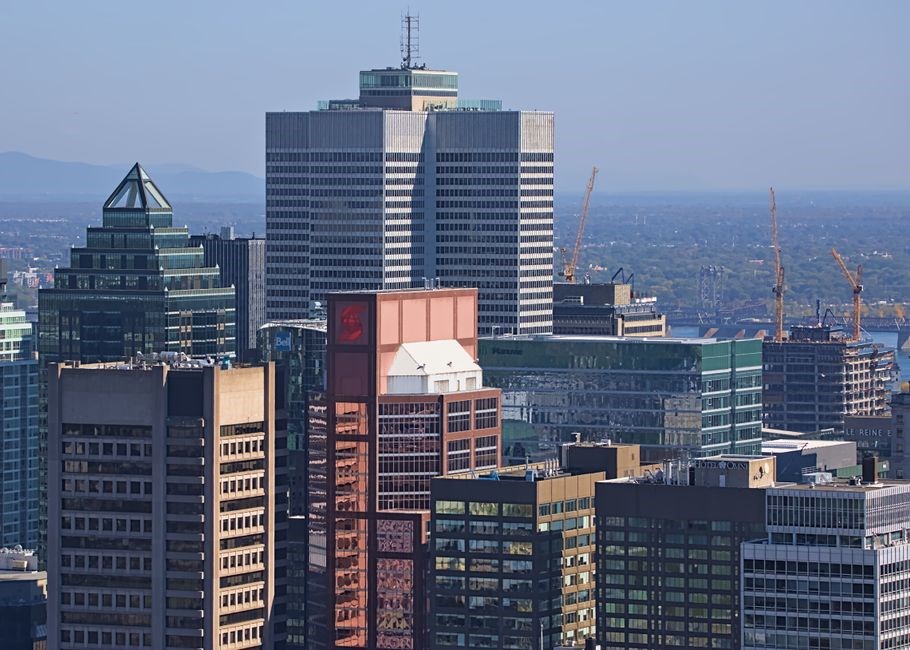
Purpose of Visit: Tourism, Family, or Special Events
The invitation letter must clearly state the specific reason for travel to Montreal. For tourism, detail planned activities like visiting Old Montreal, Mount Royal, or festivals such as the Jazz Festival or Just for Laughs. Include dates for these events. For family visits, identify the relationship—parents, siblings, or grandchildren—and mention significant occasions like weddings, graduations, or holiday gatherings such as Christmas or Saint-Jean-Baptiste Day. If the purpose is a special event, provide the event name, venue, and dates, alongside any registration confirmations. The host should describe the itinerary, demonstrating a genuine temporary stay. Vague descriptions like “visiting for a few weeks” weaken the application. Instead, specify: “Attending my sister’s wedding at Notre-Dame Basilica on August 15, 2026, followed by a week exploring Quebec City.” This clarity helps the visa officer assess the visitor’s intent to leave Canada after the authorized period. Align the purpose with the visitor’s employment leave dates and financial means. A well-defined purpose supports the credibility of the temporary resident visa request and satisfies IRCC requirements for a legitimate visit to Quebec and ensures compliance with Canadian immigration regulations for visitors.

Formatting and PDF Creation Guidelines
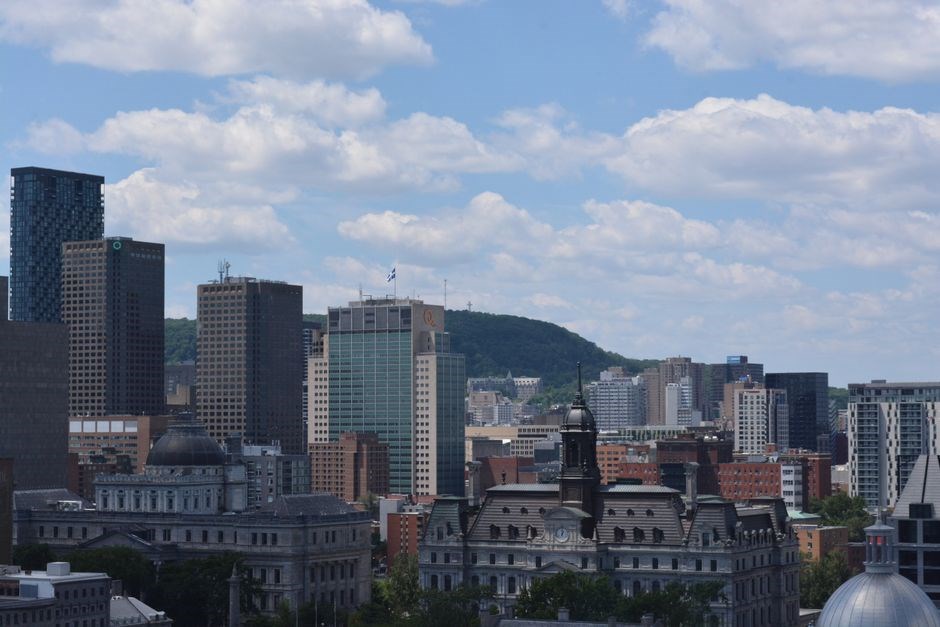
Ensure professional formatting with clear headings, standard fonts, and margins. Convert the final signed letter to a high-resolution PDF. Verify file integrity and readability before submitting the Montreal invitation package to immigration authorities;
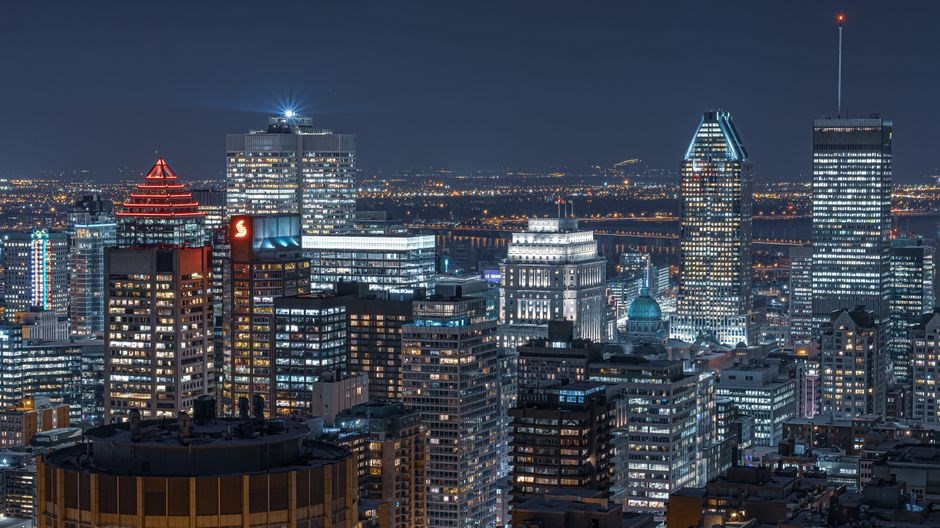
Mandatory Content Sections and Logical Order
The invitation letter must begin with a formal heading that identifies the host and the purpose of the document. Following this, include the host’s full name, legal status in Canada, residential address in Montreal, and contact information (phone and email). Next, provide the invitee’s full name, passport number, relationship to the host, and intended travel dates. The purpose of the visit should be clearly stated—whether for tourism, family reunion, or a special event—and the duration of stay must be specified. A concise description of planned activities and itinerary strengthens the application. Accommodation details should be outlined, indicating the host’s residence or hotel arrangements, and confirming that the host will provide lodging; Financial support statements, including bank statements or sponsorship letters, demonstrate the host’s ability to cover the invitee’s expenses. Conclude with a statement of commitment, the host’s signature, and the date. Ensure the letter follows a logical sequence, from introduction to closing, to facilitate quick review by visa officers. Additionally attach supporting documents such as a copy of the host’s Canadian identification and proof of residency to reinforce authenticity. This ensures compliance today.
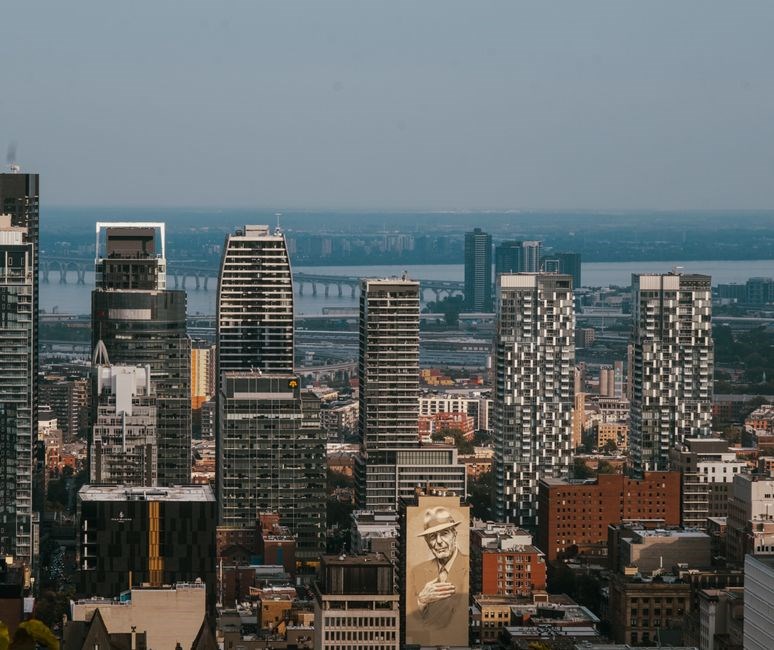
Bilingual Presentation: English and French Requirements
Since Montreal resides in Quebec, a bilingual invitation letter significantly strengthens the visa application by demonstrating respect for linguistic duality. The document should present content in both English and French, either side-by-side in a two-column table or sequentially with clear language headers; Begin with the host’s declaration in English, followed immediately by the French translation, ensuring terminology matches IRCC standards precisely. Key phrases like “Letter of Invitation” and “Lettre d’invitation,” “Temporary Resident Visa” and “Visa de résident temporaire,” must be accurate. The host’s personal details, address, and status in Canada require identical representation in both languages to avoid discrepancies. Financial undertakings and accommodation promises must be mirrored exactly, as visa officers verify consistency. Dates should follow the YYYY-MM-DD format to prevent confusion between US and European conventions. Notarization or commissioner of oaths stamps in Quebec often require French wording; include a bilingual jurat block. This dual-language approach facilitates faster processing by officers in both federal and provincial roles, reducing requests for clarification. Ultimately, a professionally formatted bilingual PDF reflects the invitee’s serious intent and the host’s integration within Montreal’s unique cultural framework, enhancing overall credibility significantly today.
Converting the Letter to a Signed PDF Document
Finalizing the Montreal invitation letter requires converting the drafted document into a secure, signed PDF suitable for IRCC upload. After completing the bilingual content, export the file from your word processor using “Save As PDF/A” to ensure compliance and font embedding. Avoid printing to PDF via virtual printers if possible, as export preserves hyperlinks and metadata integrity. The host must sign the document using blue ink to distinguish the original from copies, then scan the signed page at 300 DPI in color using a scanner or mobile app like Adobe Scan. Ensure the scan captures the page without shadows or cut-off edges. Apply Optical Character Recognition (OCR) to make the text searchable for visa officers. Verify the final file size remains under the 4 MB limit imposed by the IRCC portal; compress images if necessary using “Reduce File Size” tools. Name the file e.g., “Invitation_Letter_HostName_Montreal_2026.pdf.” Do not apply password protection or encryption, as this prevents processing. Attach this PDF alongside the host’s status proof and financial documents in the applicant’s document checklist. This ensures seamless submission and rapid assessment.
Templates, Samples, and Downloadable Resources
Access official IRCC samples, law firm templates like Martineau & Mindicanu, and Montreal-specific checklists. Download bilingual PDF resources ensuring accurate formatting, legal compliance, and proper documentation for relatives visiting Canada this year.
Official IRCC Sample Letters
Immigration, Refugees and Citizenship Canada provides official sample invitation letters to guide hosts residing in Montreal through the temporary resident visa application process. These templates outline mandatory details such as the host’s full legal name, date of birth, Canadian address, telephone number, and immigration status, whether citizen or permanent resident. The samples also require precise information regarding the invitee, including their relationship to the host, passport details, intended duration of stay, and the specific purpose of the visit, such as tourism or family reunification. IRCC emphasizes that a letter of invitation does not guarantee visa issuance, as officers independently assess the applicant’s ties to their home country and admissibility. The official examples demonstrate proper formatting, including a formal declaration and signature block. Hosts must ensure the document is dated and includes a solemn declaration regarding financial responsibility for accommodation and living expenses. Utilizing these authorized samples minimizes errors and ensures compliance with federal requirements, facilitating smoother processing for visitors planning to stay in the Montreal metropolitan area during 2026.
Law Firm Templates (e.g., Martineau & Mindicanu)
Prominent Montreal immigration law firms such as Martineau & Mindicanu offer specialized invitation letter templates tailored for Temporary Resident Visa applications. These professionally drafted models exceed basic IRCC samples by incorporating comprehensive sworn declarations, detailed financial undertaking clauses, and precise jurisdictional references relevant to Quebec residency. The templates typically feature bilingual formatting, presenting English and French text side-by-side to satisfy federal and provincial linguistic expectations. They guide the host through declaring their immigration status, Montreal address, and employment details while structuring the invitee’s itinerary, accommodation address, and return travel assurances. Crucially, these resources include affidavit sections requiring commissioner of oaths signatures, adding legal weight to the host’s commitment. Firms often provide accompanying checklists verifying supporting documents like proof of income, property ownership, or lease agreements. Utilizing a lawyer-vetted template reduces refusal risks by addressing common procedural fairness concerns and ensuring the letter withstands visa officer scrutiny regarding the genuineness of the visit and the host’s capacity to support the applicant during their stay in Montreal.
Montreal‑Specific PDF Templates and Checklists
Montreal‑specific PDF invitation templates are designed to meet the unique requirements of Quebec’s immigration authorities. These ready‑to‑download documents include a standardized header with the host’s full name, Montreal address, and contact details, followed by a bilingual body that lists the invitee’s passport information, travel dates, and the exact purpose of the visit. The template also incorporates a section for the host’s financial guarantee, detailing monthly income, employment status, and a statement of willingness to cover accommodation and living expenses. A separate checklist accompanies the PDF, ensuring that the host has gathered all necessary supporting evidence: proof of residence (utility bill or lease), proof of income (pay stubs or tax returns), a copy of the host’s Canadian citizenship or permanent resident card, and an itinerary of planned activities in Montreal. The checklist also reminds the host to include a signed affidavit of support, notarized by a commissioner of oaths, and to verify that the document is printed on letterhead. By following this template, applicants can streamline the visa process, reduce the risk of delays, and demonstrate compliance with IRCC’s expectations for Montreal invitation letters.